Return list
The main measures of energy saving in heating system include hydraulic regulation, pipe insulation, improving boiler thermal efficiency, improving heating system operation management level, room temperature control regulation and metering and charging, etc.
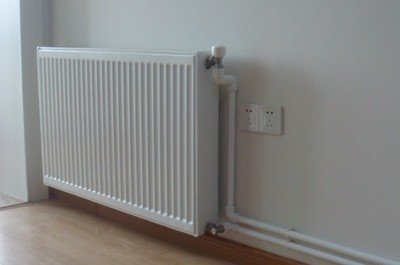
Working and energy-saving principle
Working principle
The temperature control valve does not require external energy and uses the temperature sensing bag to control the opening of the valve. As long as the heat user sets the required room temperature, the temperature control valve can control the water flow through the radiator according to the actual induced room temperature.
Energy saving principle
The temperature control valve is generally installed at the radiator inlet, and the hot user can adjust and set the room temperature according to the requirements of the room temperature. It not only improves the comfort of indoor thermal environment, but also realizes energy saving. In addition, when the hot user goes out to work or travel, and when a room does not need heating temporarily, the temperature control valve can be adjusted to a very small opening to avoid wasting heat. The temperature control valve can save energy through the following two points.
① Constant temperature control
Because in the heating period, the outdoor temperature is fluctuating, if you can not adjust the heat dissipation of the radiator in time, it will cause energy waste. The use of temperature control valve can adjust the heat dissipation of the radiator at any time to achieve the purpose of energy saving.
② Use free heat
Solar radiant heat and indoor appliances, lighting, cooking and human body heat are called free heat. This part of the heat change time, can not be accurately determined in the design, only as a safety factor. The use of temperature control valves can make full use of free heat.