|
Description: |
Differential By-pass Valve |
Material: |
Brass |
|---|---|---|---|
|
Adjust Range: |
0.1-0.5 Bar |
Size: |
1'' / 3/4'' / 1/2'' |
|
Finish: |
Sandy Blasting In Brass Color |
Temperature Range: |
5-110℃ |
|
Max. Working Pressure: |
10 Bar |
Max. Percentage Of Glycol: |
30% |
|
Highlight: |
3/4'' Differential By Pass Valve, Adjustable Differential By Pass Valve, Sandy blasting safety water valve |
||
The differential by-pass valve is used in systems working with variable flow rates, for example in those making widespread use of thermostatic valves or 2-way motorised valves. It ensures a flow recirculation proportional to the number of valves being closed, while limiting the maximum differential pressure value generated by the pump.
When the spring compression is adjusted using the control knob, the force balance acting on the obturator changes, thus modifying the trigger pressure value of the valve. The obturator opens, activating the by-pass circuit, only when it is subjected to a differential pressure sufficient to generate a thrust greater than the thrust exerted by the contrast spring. This allows the flow discharge through the outlet, limiting the difference in pressure between the two points in the system where the valve is fitted.
The job of the by-pass valve is to maintain the pump operating point as close as possible to its nominal value. If the by-pass valve is not used, when the flow rate in the circuit decreases due to partial closure of the two-way valves, the head loss in the circuit increases. The by-pass valve, set to the nominal head value of the pump, enables to limit the pressure increase, by-passing the flow rate. This behaviour is guaranteed at any closing condition of the system regulating valves. In fact, once the position of the valve control knob has been established, the trigger pressure value is more or less constant as the discharge flow rate varies. A proper valve sizing must guarantee a sufficient flow rate by-pass to keep the pump at its nominal operating point in all system operating conditions, for example when the first thermostatic valves are closed.


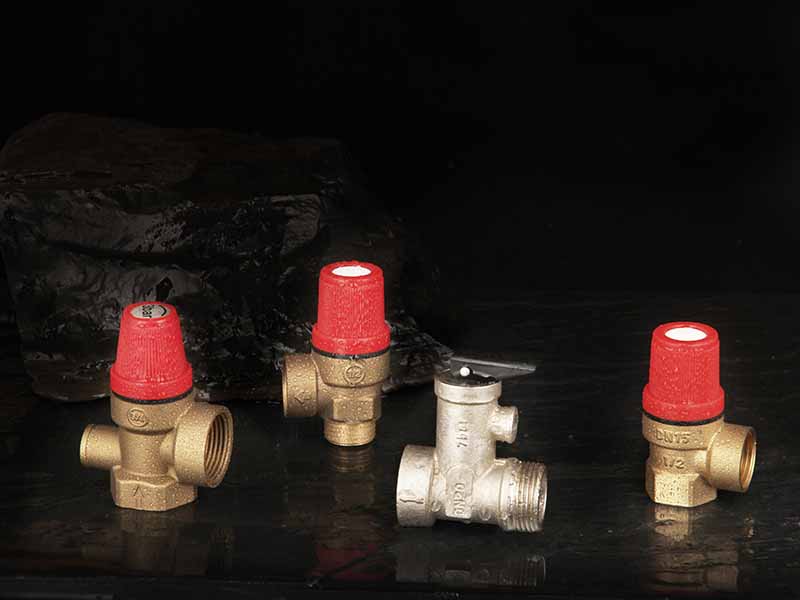
Safety Valve Series
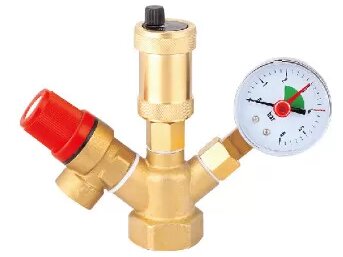
XAJ953 Safey Group

Brass Automatic Air Vents Valve Nickel Plated 3/4 Inch BSP Thread

Brass Automatic Air Vents Valve Nickel Plated 3/8'' BSP

EPDM Brass Bleed Automatic Air Vent 1/2 Inch BSP

Brass Radiator Automatic Air Vent 3/8'' BSP
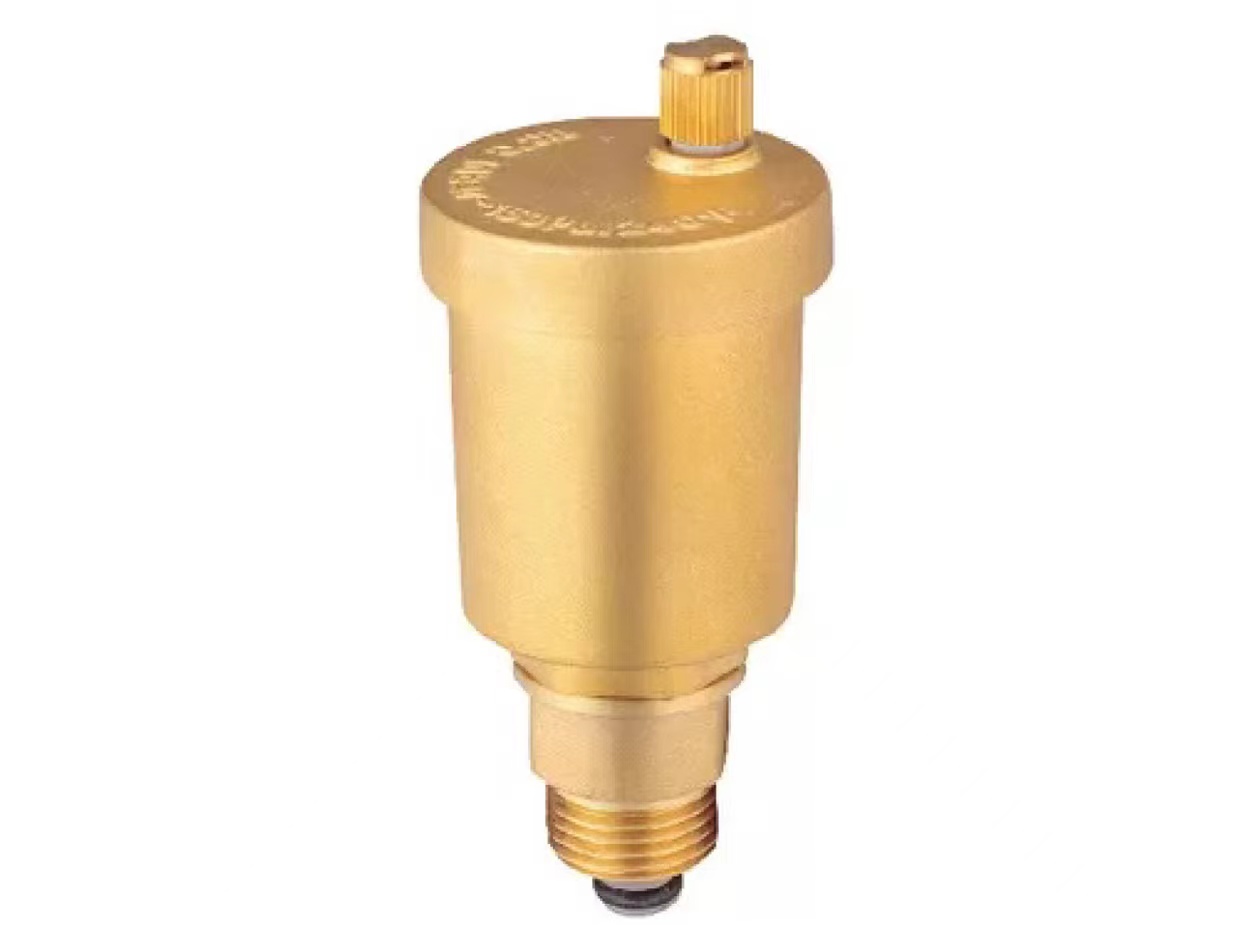
XAJ504 Air Vent
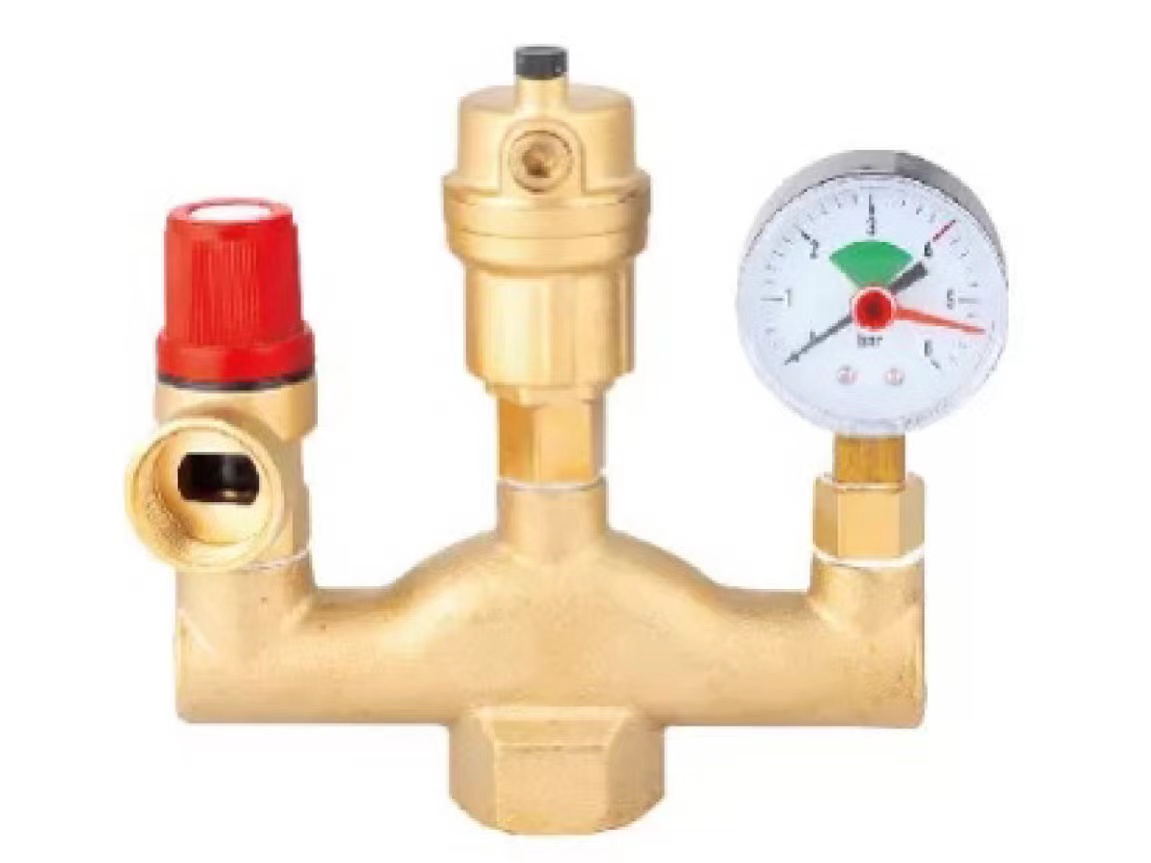
XAJ941 Safey Group
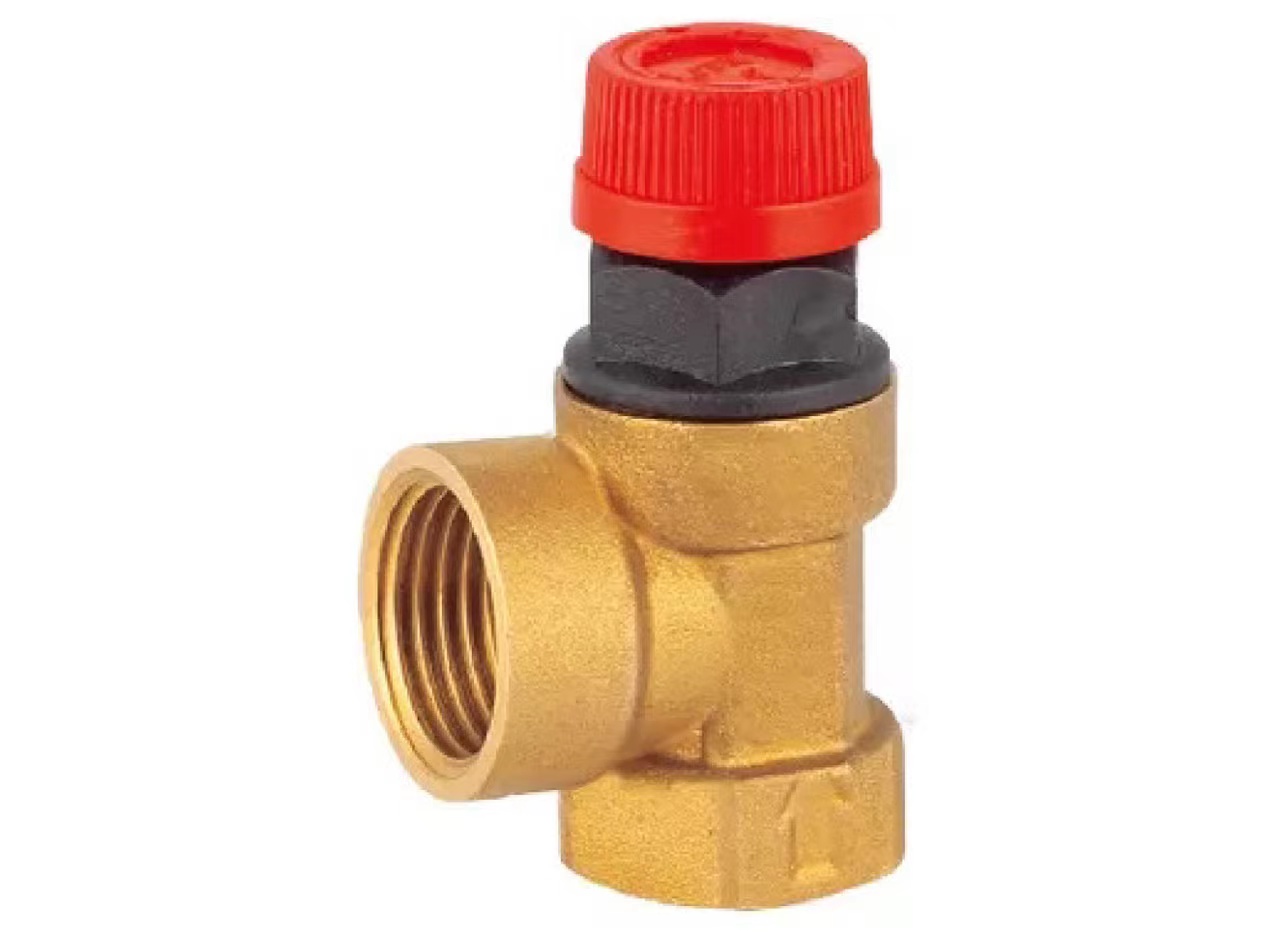
XAJ612 Safety Relief Valve
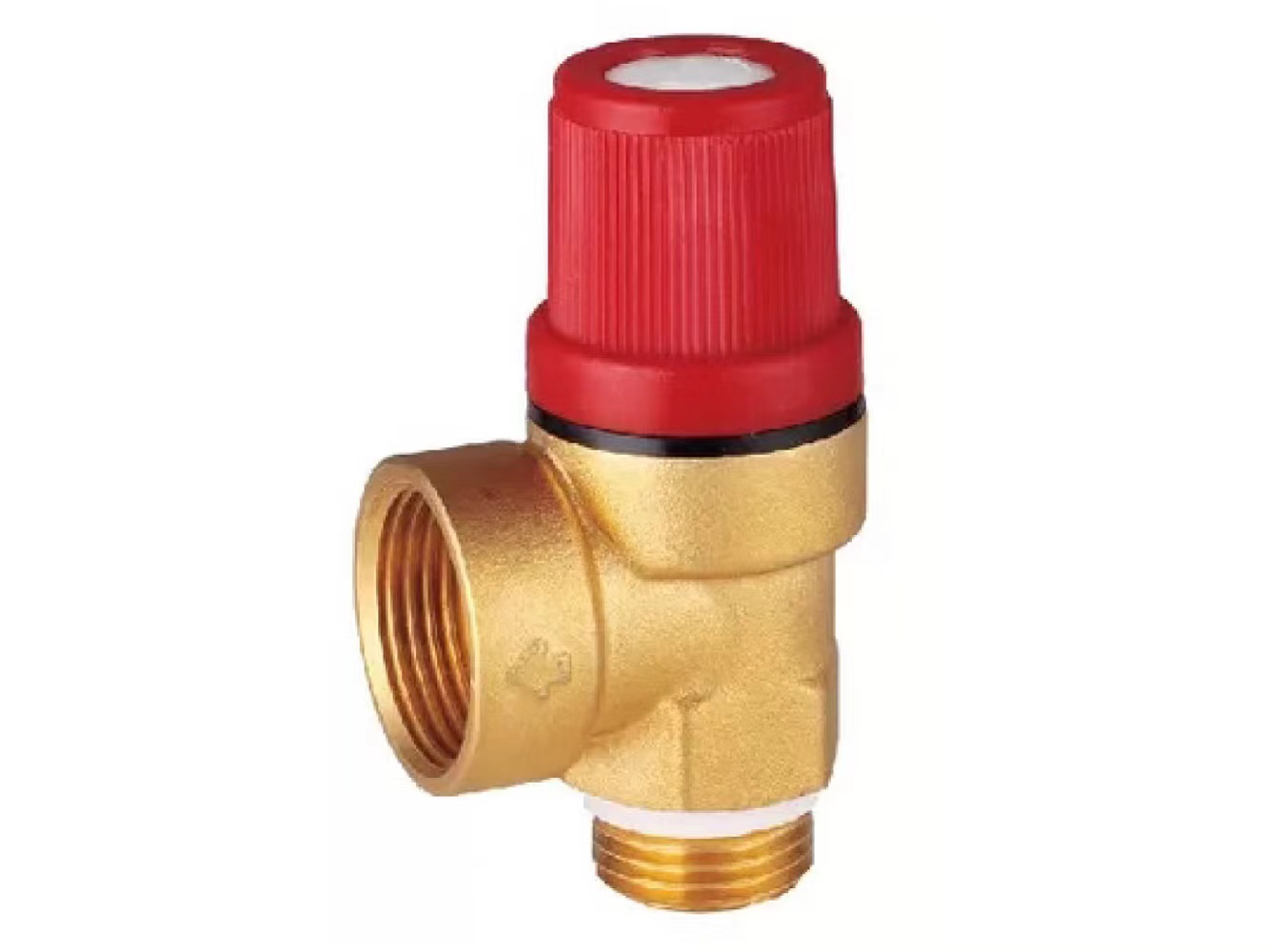
XAJ608A Safety Relief Valve
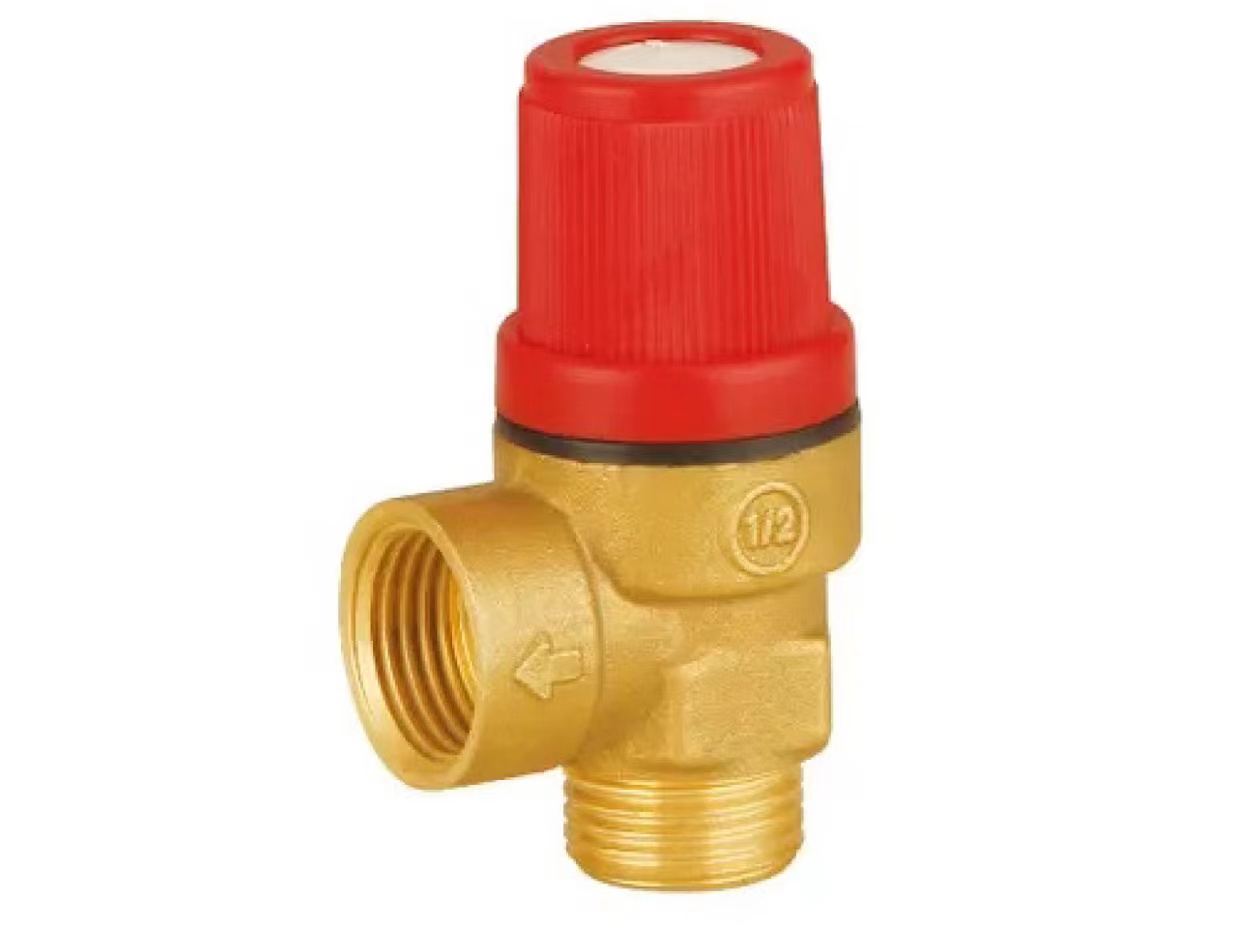
XAJ608 Safety Relief Valve
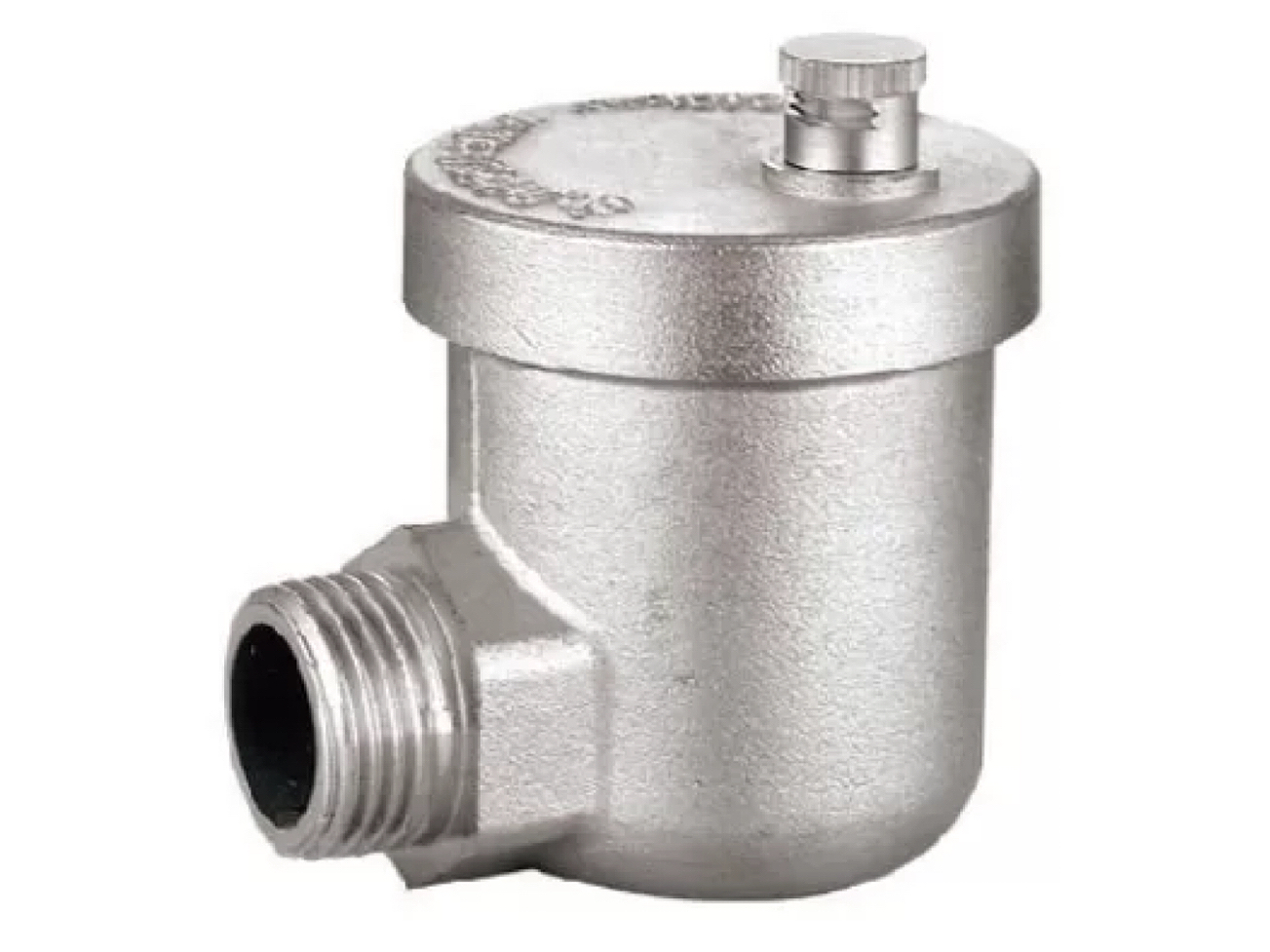
XAJ503 Air Vent
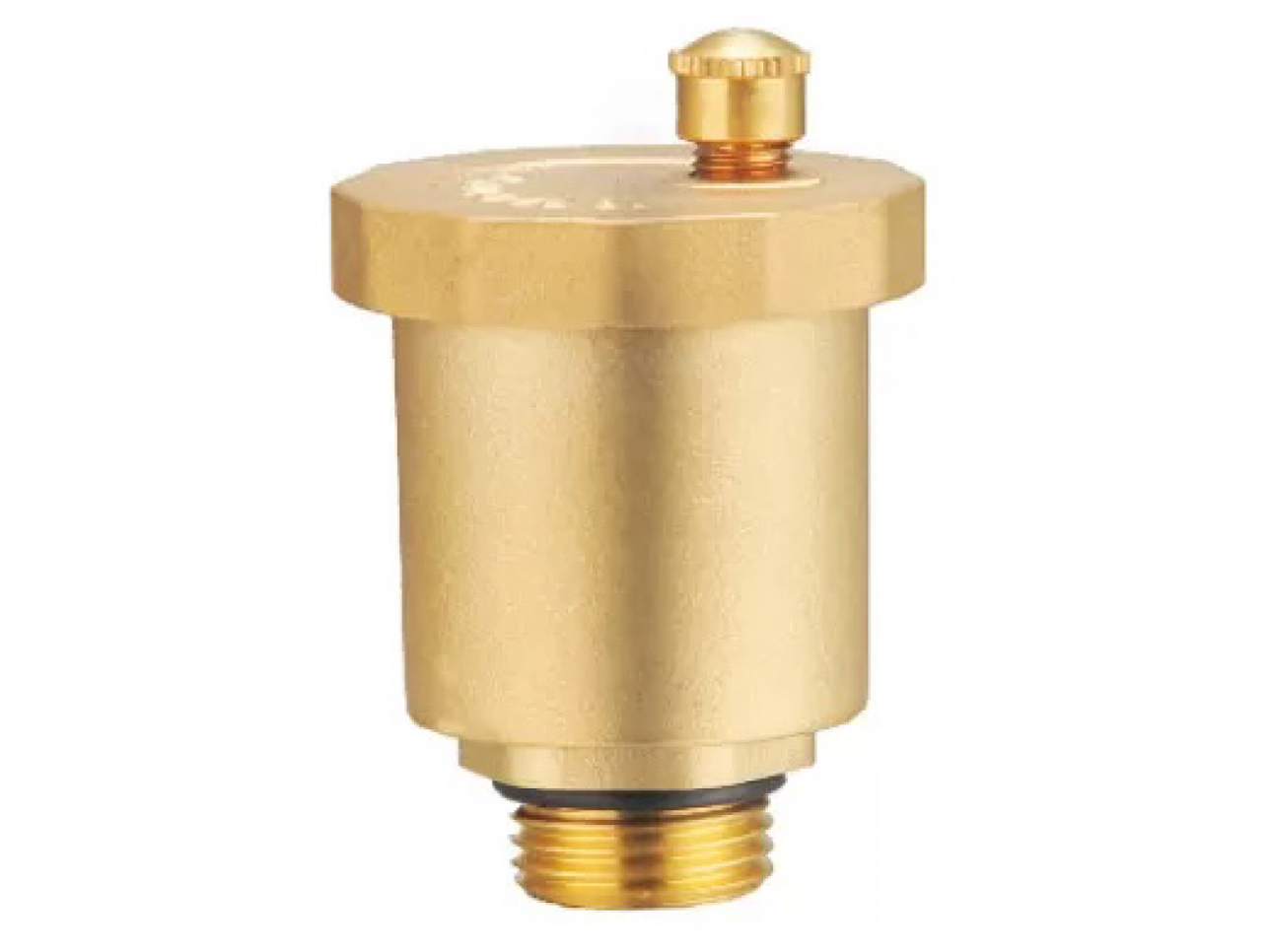
XAJ514 Air Vent
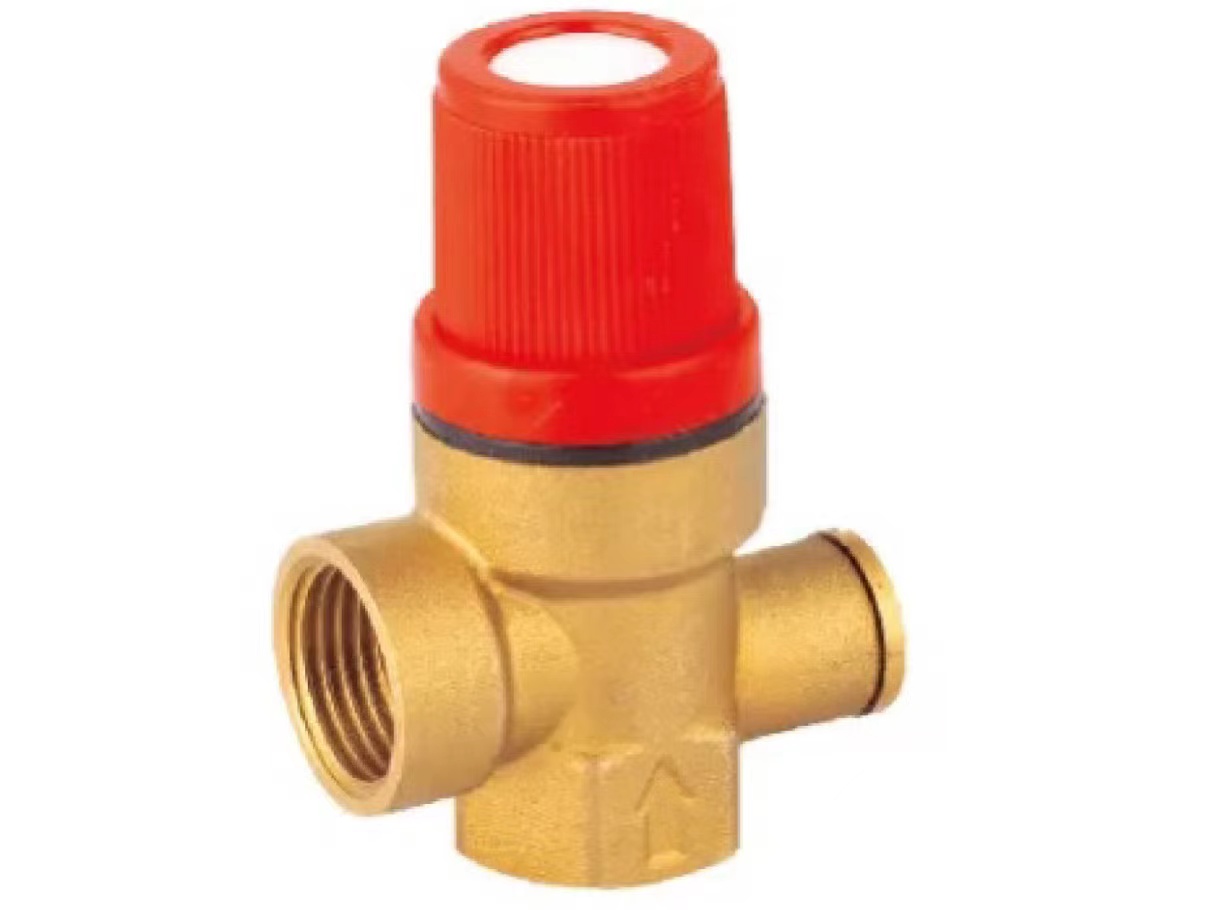
XAJ609 Safety Relief Valve
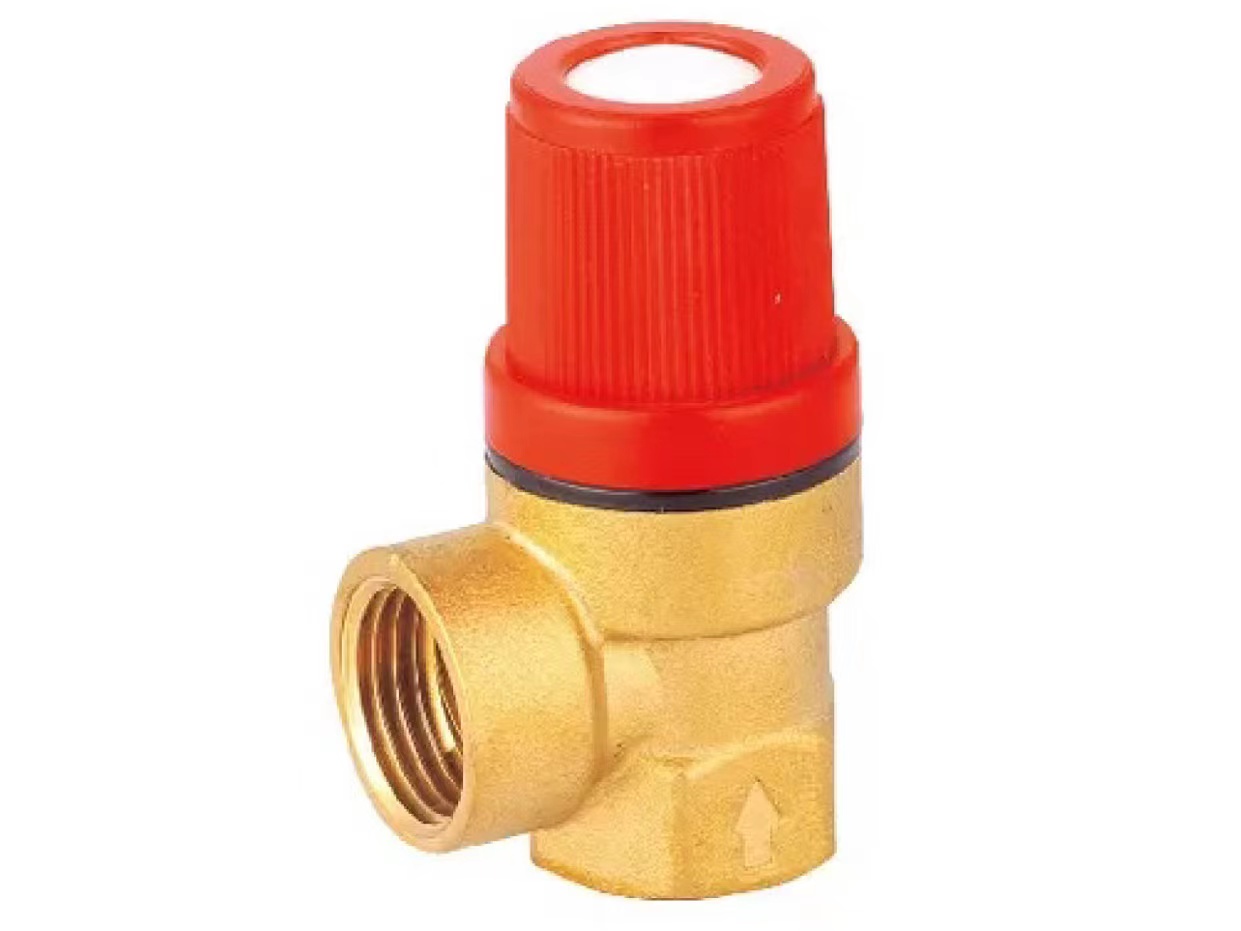
XAJ607 Safety Relief Valve
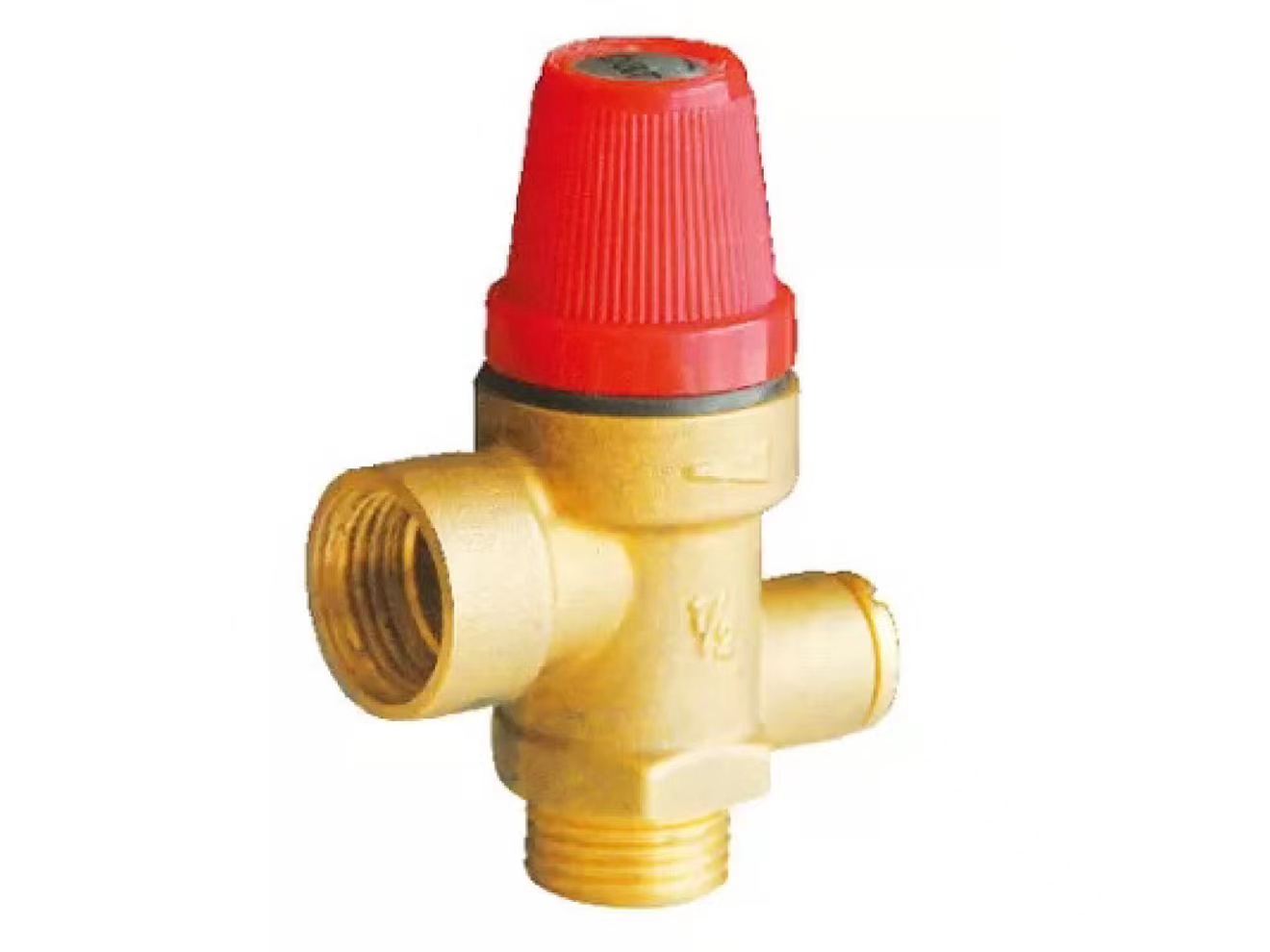
XAJ610 Safety Relief Valve